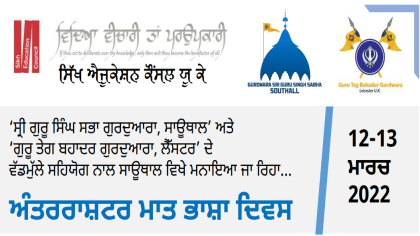
Throughout the world, Punjabis strive to promote and preserve the Punjabi language, as well as Gurbani. Similarly, on March 12 and 13, 2022, the Sikh Education Council UK organised a successful two-day International Mother Language Day Seminar on Punjabi Language Development in collaboration with Gurdwara Sri Guru Singh Sabha Southall and Guru Tegh Bahadur Gurdwara Leicester.
Sikh Education Council Uk is an influential group of Punjabis who has been promoting Punjabi language and Gurbani education since the 1980s. Dr Baldev Kandola, Shinderpal Mahal and Dr Pargat Singh have been crucial in the successful organisation of this Punjabi discourse in the UK this year.
Dr Pargat Singh Ji of the Sikh Education Council opened the discussion by welcoming everyone and providing an overview of the material to be discussed.
Some of the most prominent Punjabi scholars from the UK, as well as Punjab, were present at the conference, which was streamed live as well as attended via videoconference by many. The ideas of all the scholars were to be listened to, comprehended, and considered.
Dr Jaswinder Kaur of Akal University explained the current state of the Punjabi Dictionary and the potential for the future, as well as how it relates to Gurbani Dictionary. The first phase of systematic creation of the Punjabi Dictionary has been accomplished and now we should pursue the path of development of Punjabi and Gurbani Dictionary using modern approaches employed in English and other languages.
Dr Rajwinder Singh from Punjabi University’s Punjabi Pedia Project team gave his thoughts on research and the creation of Punjabi’s technical and scientific vocabulary. He added that a team would be formed to complete this challenging task by combining their abilities and the latest linguistics techniques.
Dr Baldev Singh Kandola, a UK-based Punjabi scholar, spoke at length on the difficulties as well as opportunities of writing technical and scientific literature in Punjabi. Pratyaksh and other existing Punjabi compound words like it might suggest that scientific concepts can be devised utilising existing Punjabi compound terms like it. He also mentioned that the Guru Granth Sahib contains a large number of terms that can be used to write technical literature. According to him, institutions like Gur Nanak Dev University should be recognised for this type of work, and he also suggested having high-quality scientific material translated and made available to educational institutions.
On the subject of Punjabi journalism terms and lack of self-awareness Avtar Singh ji, a journalist conveyed enormous concepts in very simple words. The voyage from ‘Panjali’ to Reepar in Punjab has modified our Punjabi language to some extent, according to him. However, in today’s Punjabi journalism, we can notice the regular usage of Hindi and English vocabulary unnecessarily; Punjabi terminology like’mehla’ (‘aurat’ in Punjabi) and ‘kathin’ (‘aukha in Punjabi) are being utilised in publications in a way that distorts the language. He urged Punjabi readers to be aware of this and to raise inquiries about it with the relevant organisations.
Dr Hardev Singh read an excellent paper on Punjabi philosophy. To fully comprehend any subject or event, he stressed the significance of defining Punjabi words and phrases. He also discussed Western, Eastern, and Gurmat Darshan, as well as the research in Punjabi on this topic thus far.
A study conducted by professor Vikramjit Tihara looked into the possibility and techniques of mastering Punjabi as a mother tongue. He went into great detail about the importance of the family environment and household norms in the teaching of the mother tongue. Additionally, a Punjabi Information Center should be established to serve as a central repository for Punjabis and researchers all over the world.
Dr Lakhveer Singh and Dr Charanjeev Singh, both of Punjabi University, shared some interesting information on the potential use of modern communication technologies in Punjabi language training. They discussed the efforts of the Punjabi University in this area and emphasised the significance of the Punjabi language’s technical development and the availability of online Punjabi education. In order to keep the Punjabi language current, it is critical that it be taught online. After schools and universities went online through the Corona Call, this issue would need more attention.
Dr Jatinder Pal Ji reviewed the history of the Gurmukhi printing press, highlighting the contributions of many Dr Jatinder Pal Ji reviewed the history of the Gurmukhi printing press, highlighting the contributions of many individuals.
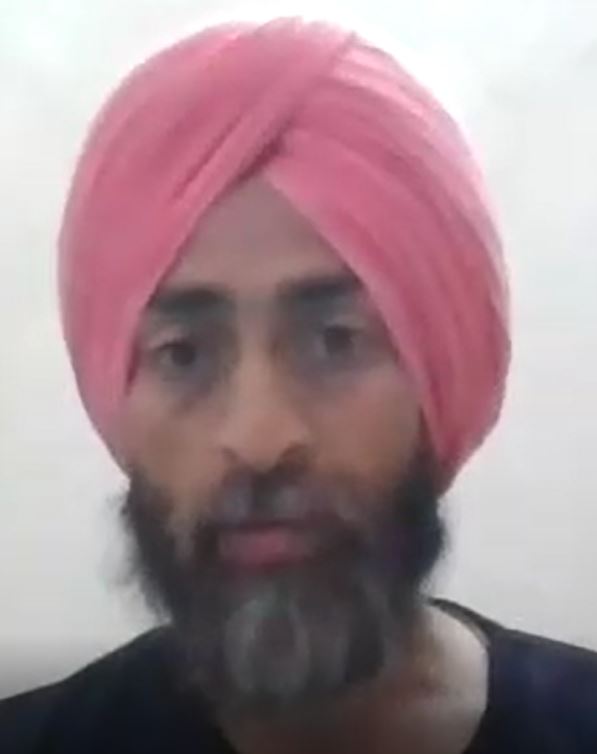
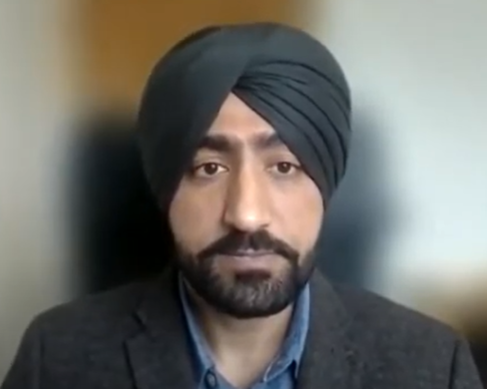
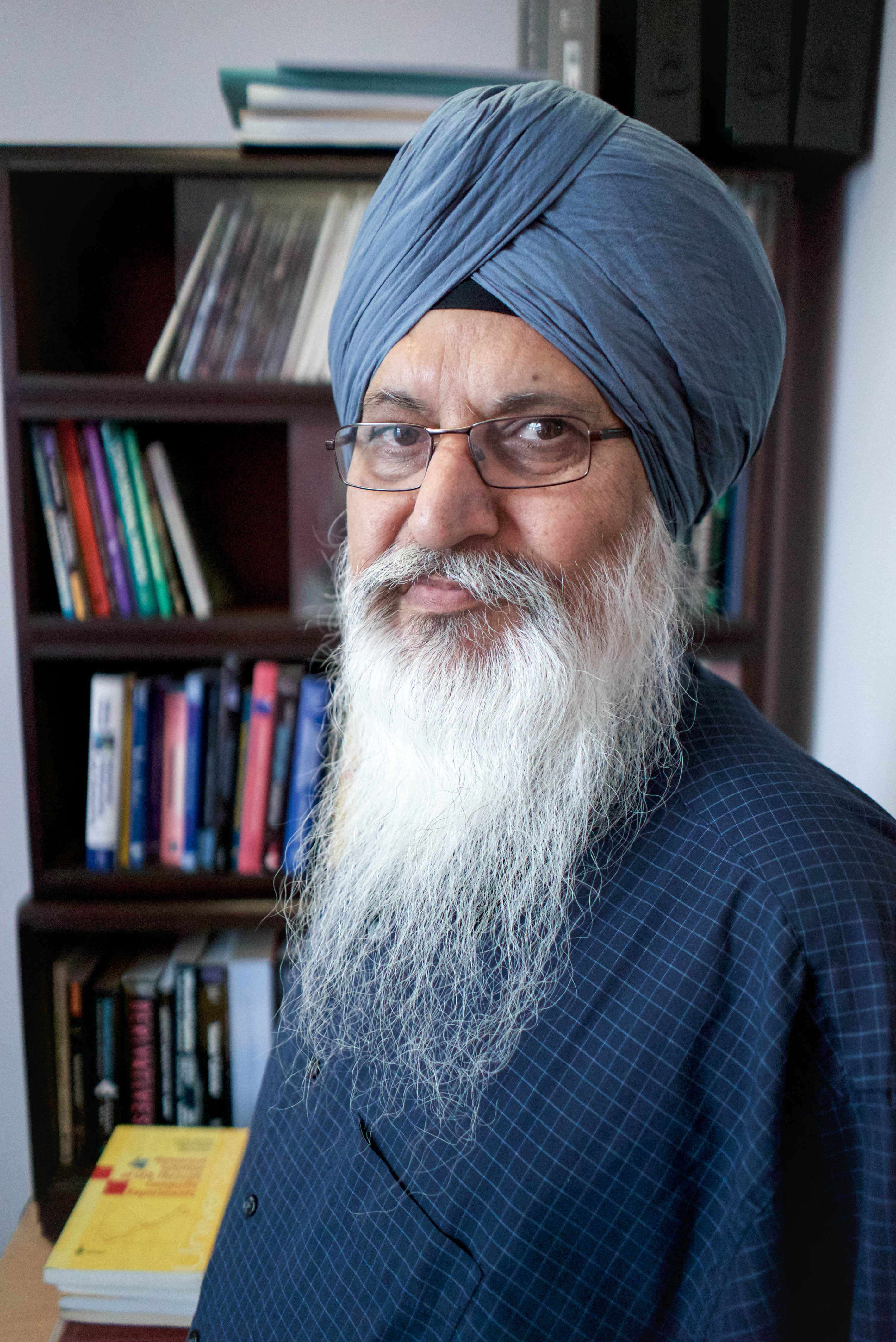
Key Speakers
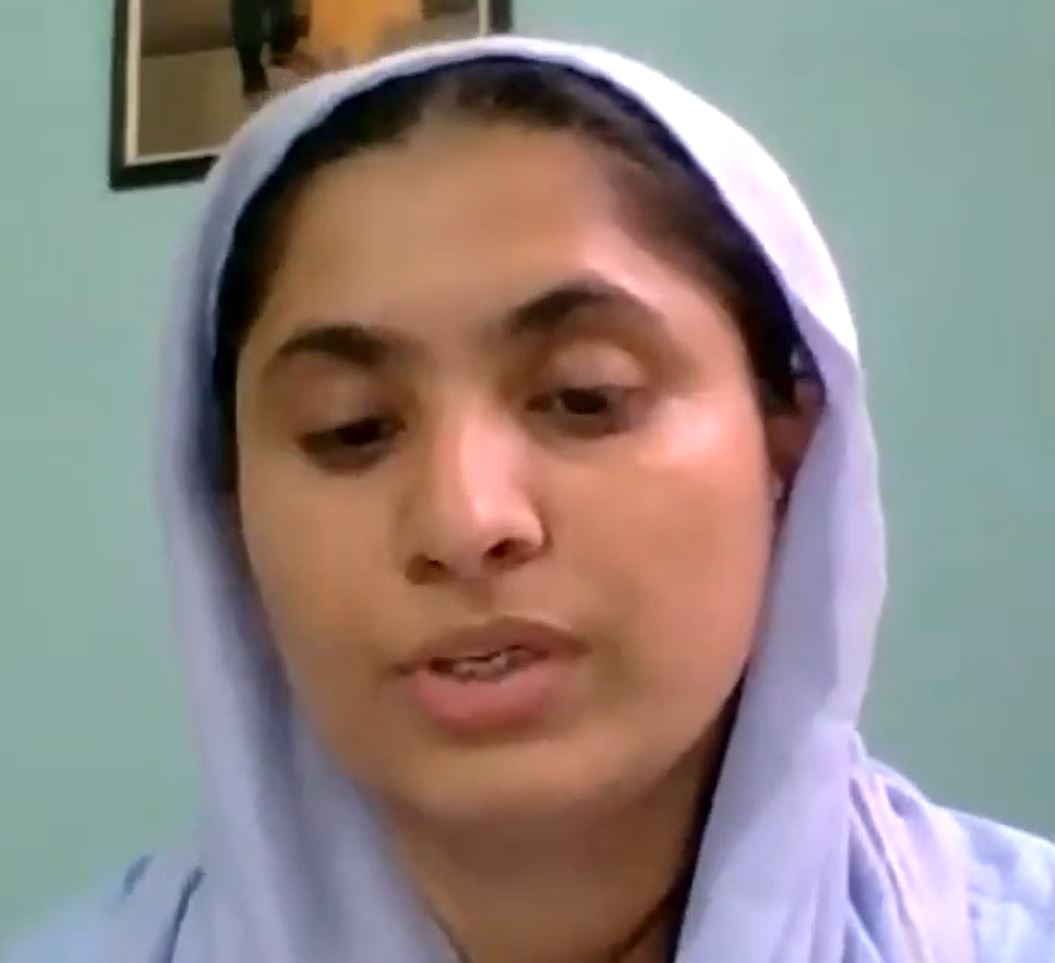
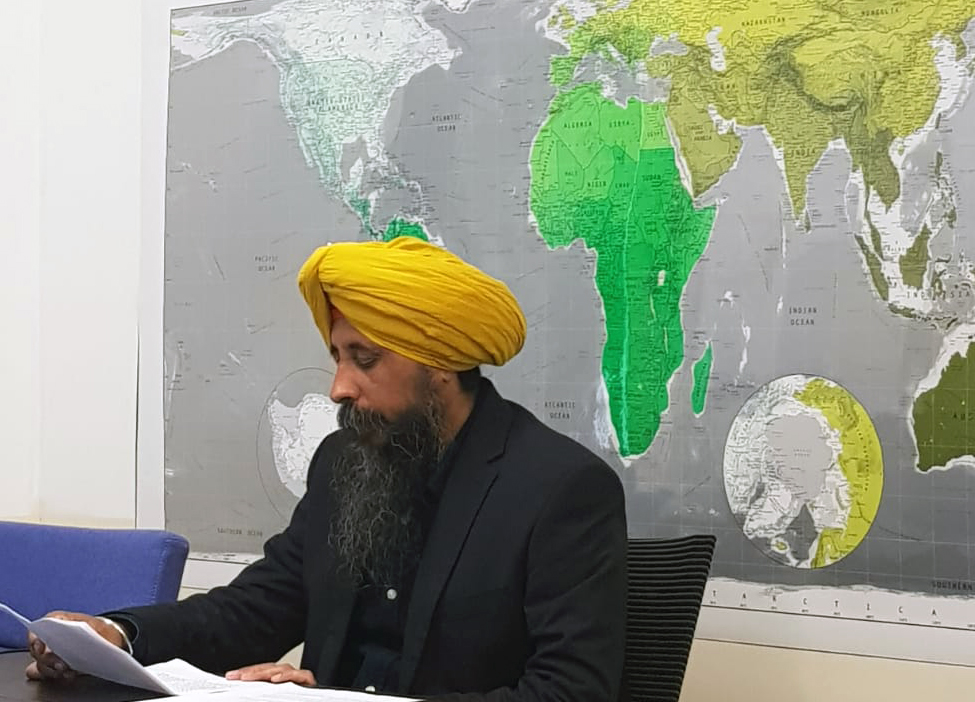
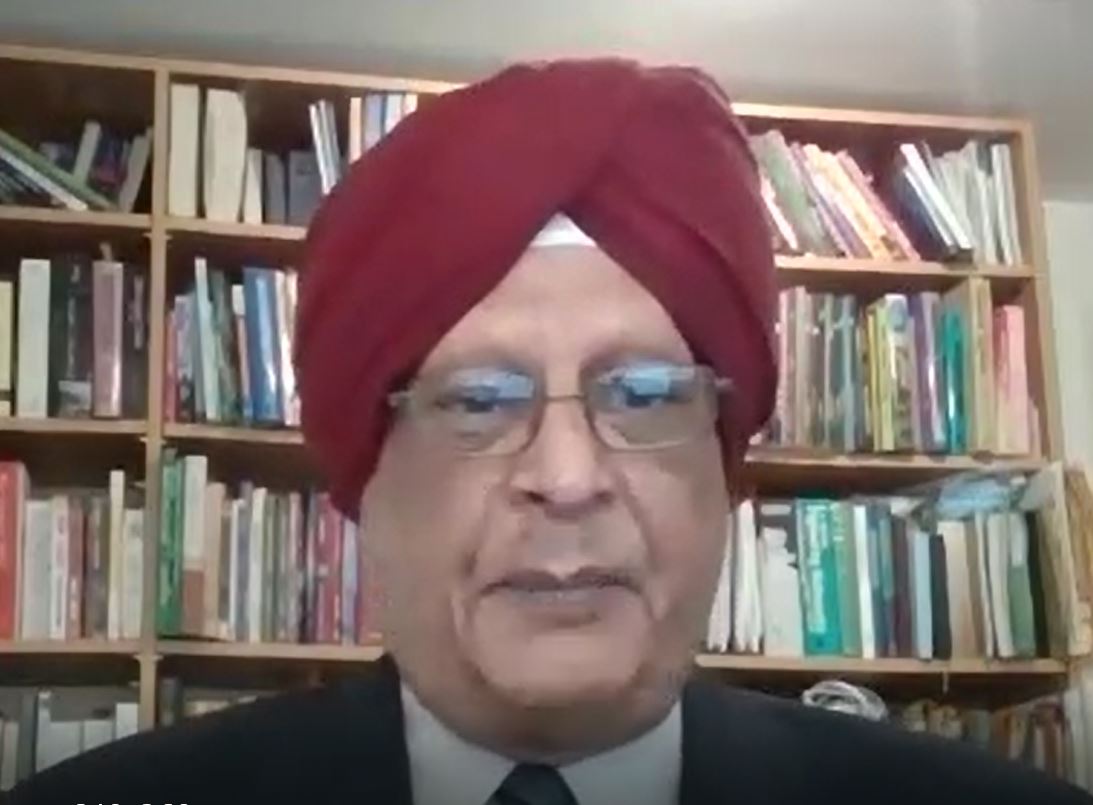
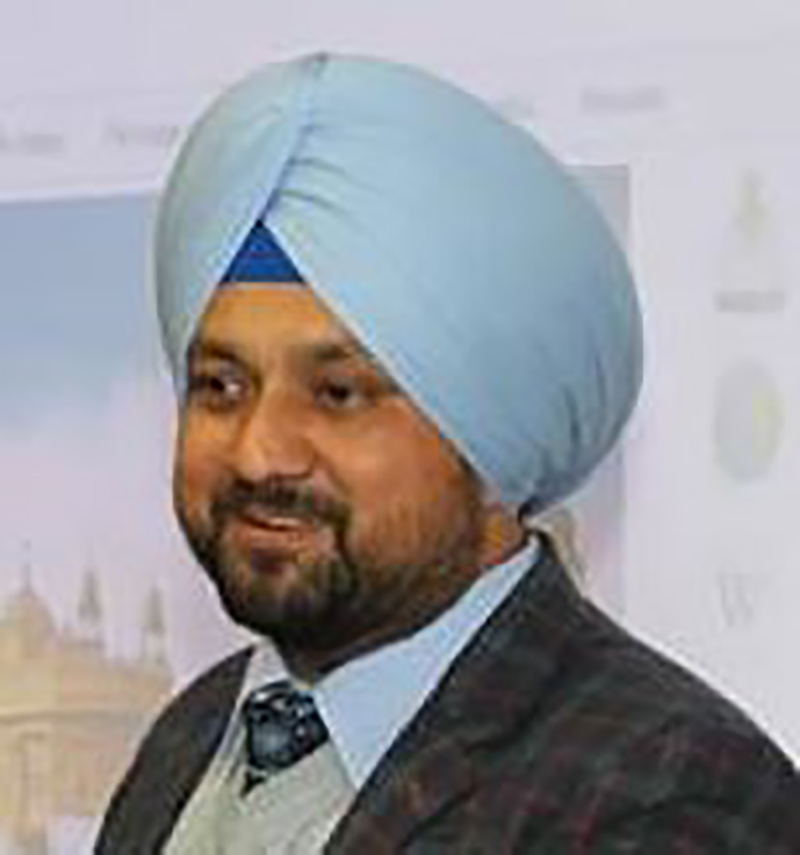
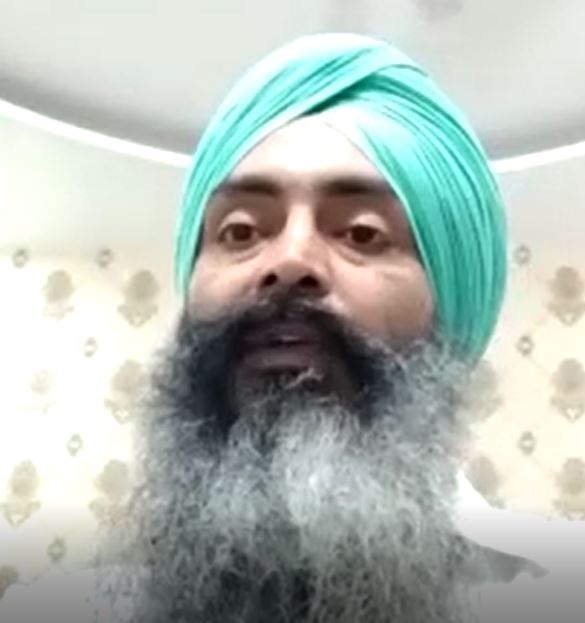
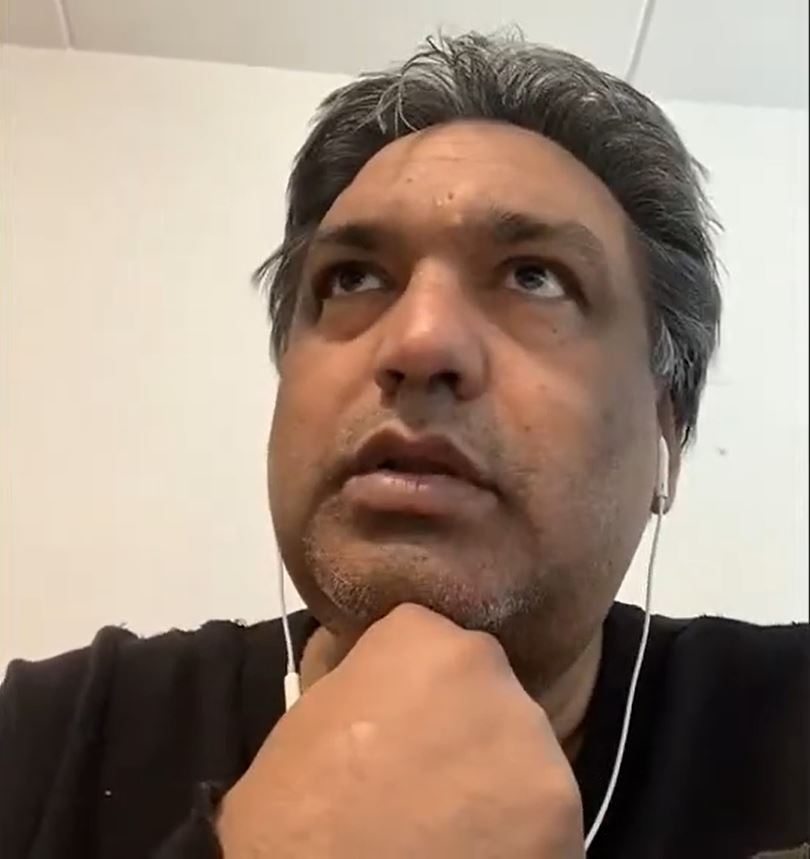
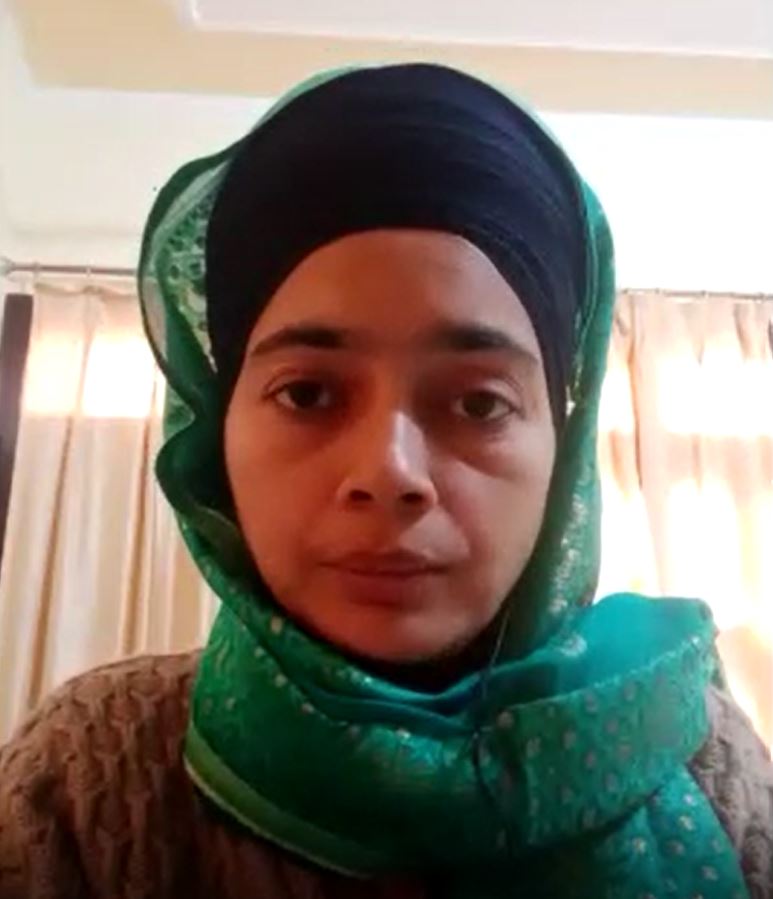
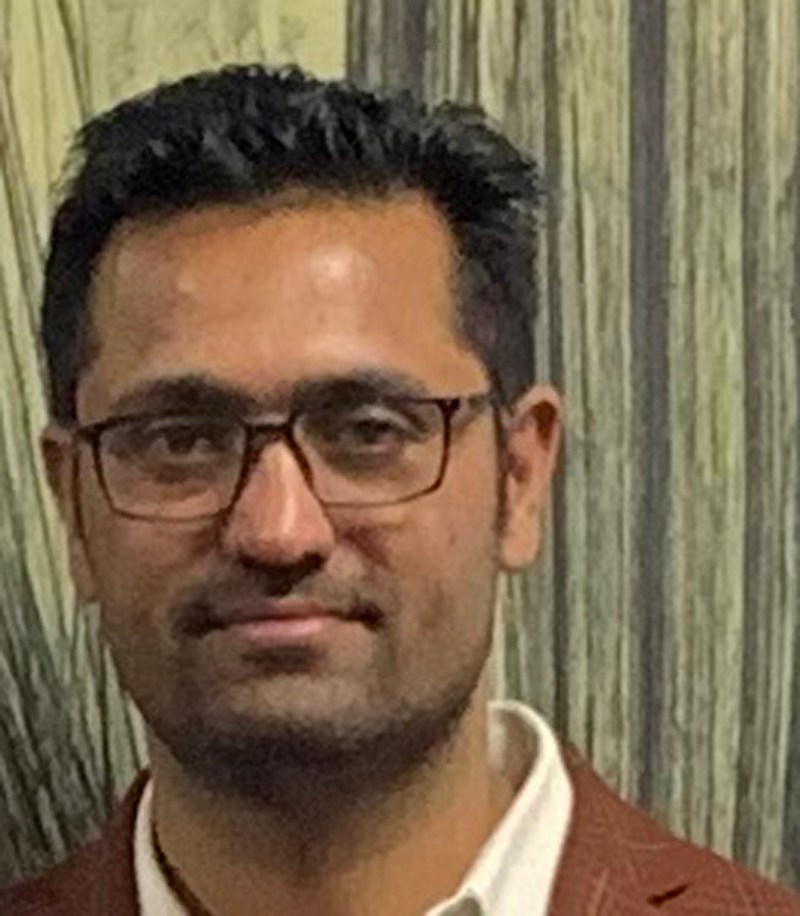
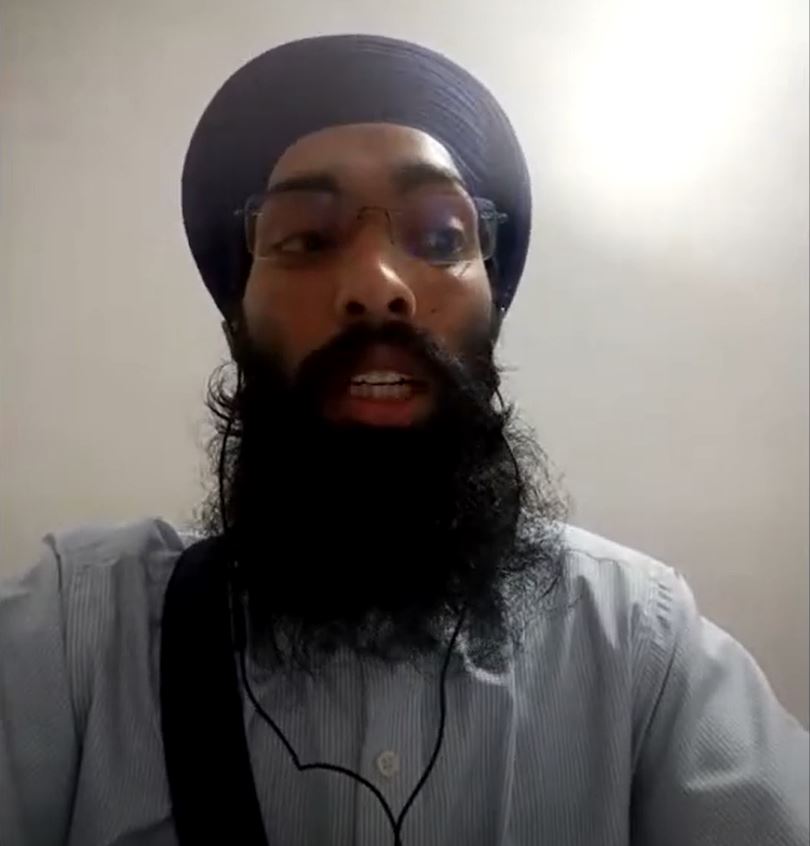
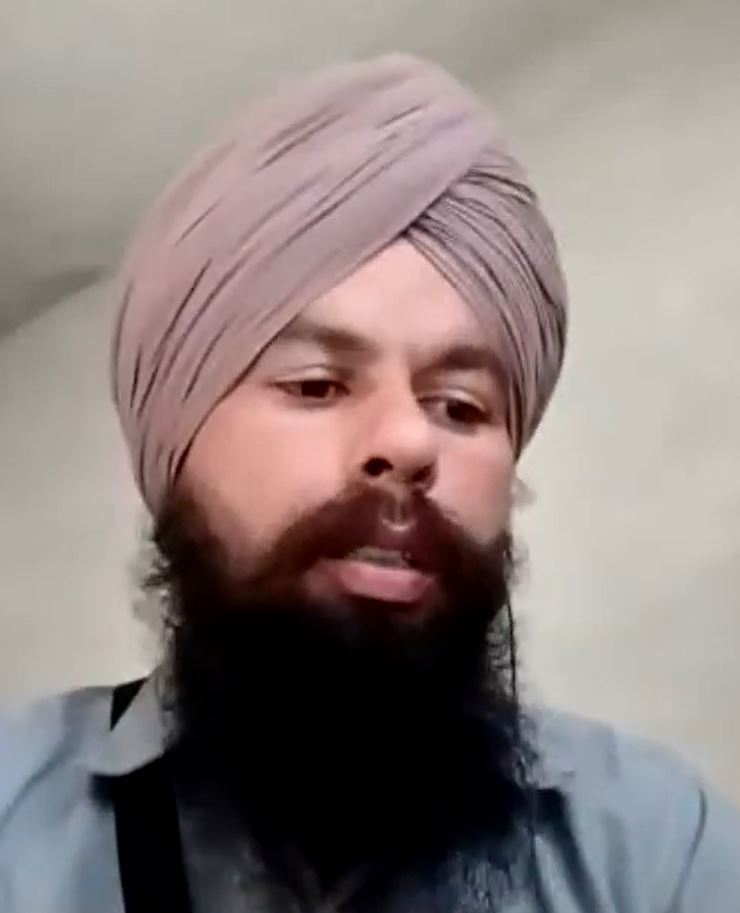
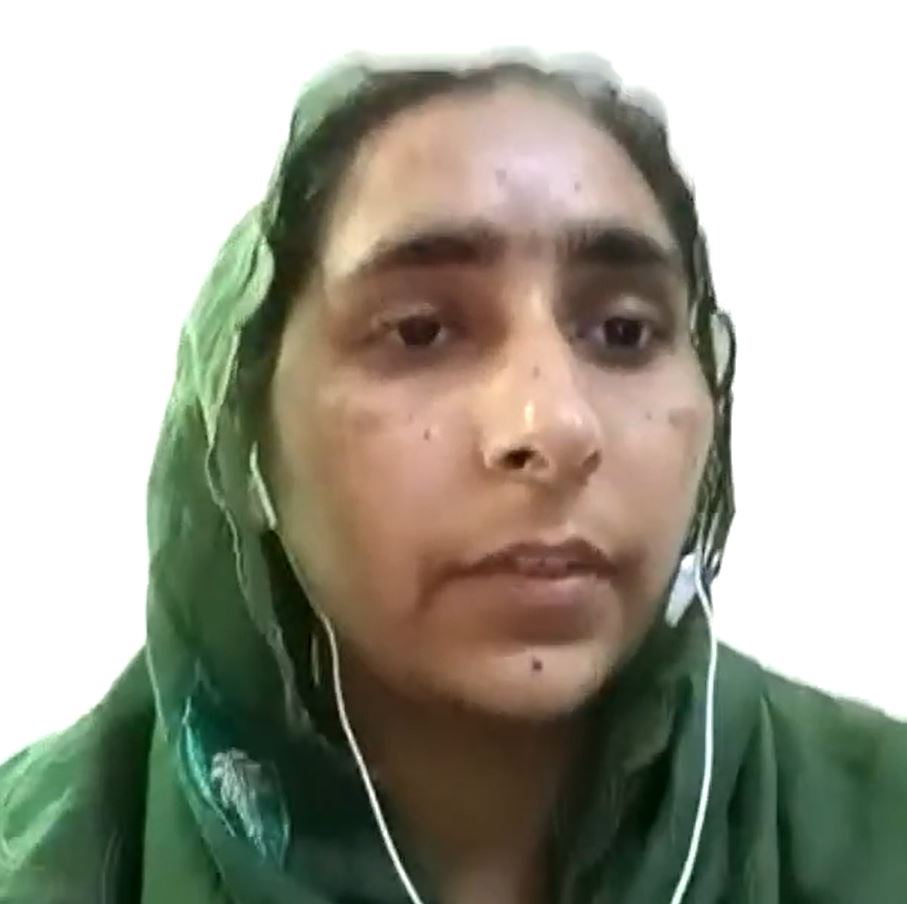
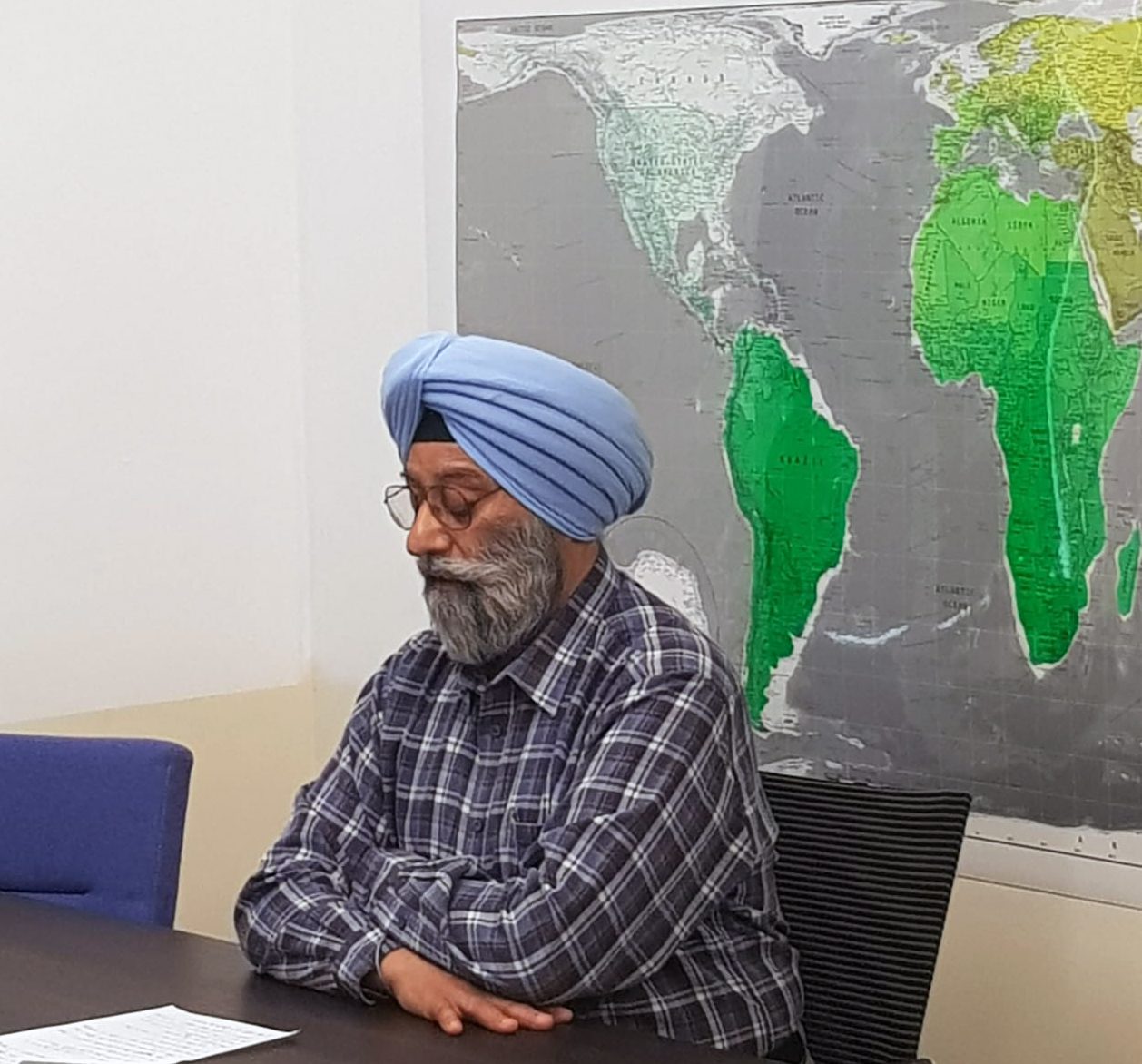
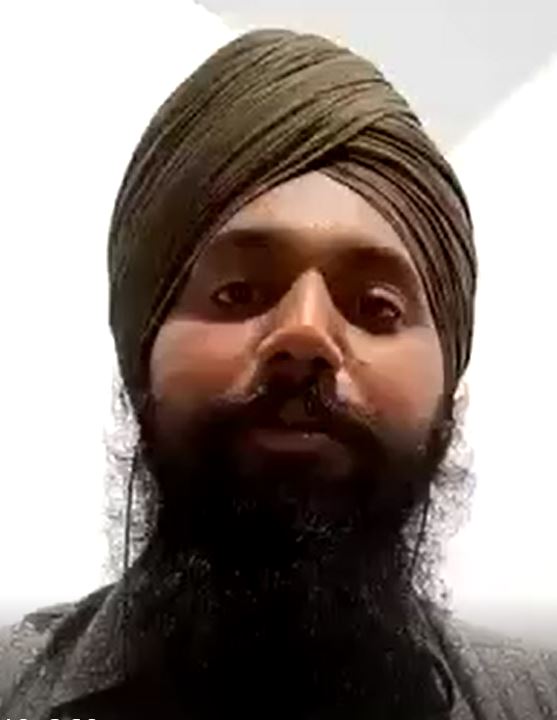
It is impossible to separate Punjabi and Gurbani studies, this was evidenced by the pamphlets read on the second day.
During the second day of the talk, Dr Jasveer Singh presented methodical studies of political concepts in the Punjabi Language. Where he examined the interrelationships of the sovereign territorial state with states, languages, and nations. It’s possible that the political leaders of Punjab and Punjabi movements throughout pre-independence and post-independence were unfamiliar with these principles of the relationship between the state and language.
Paper on the study of global religions in Punjabi was discussed by Jaswinder Singh. He began with the work of scholars such as Giani Ratan Singh, Gurbachan Singh Talib, and Dr Bhagat Singh, citing the thirty books and magazines he described.
Jasveer Kaur, of the Punjabi University, spoke about Bhai Vir Singh, the pioneer of Punjabi literature, she divided his contributions into three main categories: literary, journalistic, and mystical literature. According to her, young people should take a lesson from Bhai Sahib’s decision to reject Persian and English and instead write in Punjabi.
Studying Gurbani began when Gurbani was created, according to researcher Maninder Kaur. Gurbani has been studied for five to six centuries. In the last century, it has spread geographically all over the world with the migration of Sikhs from Punjab.
While reading the paper on Gurbani numerology, Kulwinder Singh presented information on numerous Gurbani dictionaries. In this paper, it is shown that the Guru Granth Sahib incorporates numbers in a methodical and symbolic manner.
Akvinder Kaur presented the final paper on Gurubilas studies in Punjabi. She went into great depth about each of the religious texts she studied, explaining the most important ideas in each chapter.
Everyone involved in the conversation clearly put in a lot of effort to prepare and read the papers, and they all deserve praise and congratulations.
Sukhdev Singh Aujla and Dr Pargat Singh Ji concluded the seminar by thanking all of the participants, speakers, and attendees for their participation in celebrating International Mother Language Day.
– Kanwar Brar
 ਅੱਖਰ
ਅੱਖਰ 